ESPN Outside the Lines · Sports Emmy Winner
No Love Lost
A century of Chicago Cubs heartbreak, told through eleven fans and one hand-painted scoreboard. Built in 2008, before the iPhone, before streaming, before any of this existed.
Client
ESPN, Outside the Lines
Role
Design & Art Direction
Year
2008
Discipline
Interactive · Art Direction · Storytelling
One hundred years without a championship, told by one fan from every decade back to 1908.
The Challenge
In 2008, on the 100th anniversary of the Chicago Cubs' last World Series title, ESPN wanted to tell the story of a century of heartbreak through the fans who lived it. This was before the iPhone, before streaming, before online video and interactive features were anything close to ordinary. We had to invent an experience that could hold eleven human stories and still feel like Wrigley Field itself.
The Approach
I designed and art directed an immersive interactive built around the hand-operated Wrigley Field scoreboard: one fan from every decade back to 1908, arranged like a lineup, each with their own portrait, voice, and story. The whole thing was crafted in the language of the ballpark, weathered green, painted numerals, and an amber ticker crawling across the top.
The Outcome
No Love Lost won a Sports Emmy. Eight years later, ahead of the Cubs' first World Series since 1945, ESPN revisited the same eleven fans, and the original experience still stood as a benchmark for interactive sports storytelling built long before the tools caught up to the ambition.
Wrigley Field as an interface
The whole experience lived inside the ballpark. I built the interface around the famous hand-operated Wrigley Field scoreboard, weathered green, painted numerals, the Cubs L flag, and the ESPN Outside the Lines mark, so navigating a hundred years of fandom felt exactly like standing under center field.
The line that ran across the top of the experience, rendered in the amber of a stadium ticker.
One fan from every decade
Eleven fans, each carrying their own decade of hope and heartbreak, arranged like a batting order. Stories reported by Wayne Drehs, photography by Alyssa Schukar.
Richard Savage
Photographed at 100. Died in 2013 at age 105.
Helen Keiling
A fanatic to the end. Died in 2010 at 95.
Betty Maute
Her family still wears the Betty #7 jersey.
Bruce Ladd
Founder of the Beltway Emil Verban Society.
Ronnie Woo-Woo Wickers
The most famous superfan at Wrigley Field.
Dr. Jordan Grafman
Brain researcher, wrote a chapter of Your Brain on Cubs.
Billy Corgan
Smashing Pumpkins frontman and lifelong Cub.
David Diaz
WBC world champion boxer, superstitious to the last out.
Kurt Evans
Founder of the blog Goat Riders of the Apocalypse.
Anna Patras
Raised $6,000+ for cancer research in a goat costume.
Wrigley Fields
A teenager named after the ballpark itself.
Eight years, same love
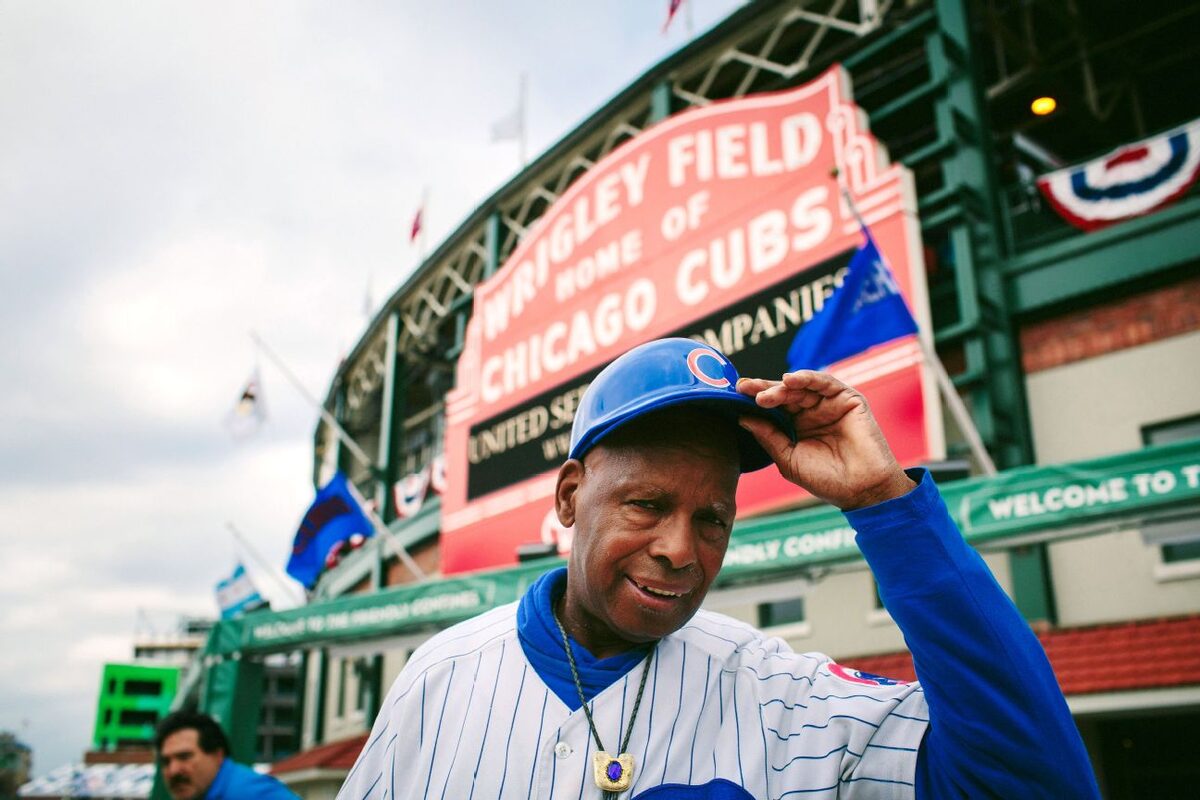
In 2016, ahead of the Cubs’ first World Series since 1945, ESPN returned to the same cast. The 2008 black-and-white portraits met their present-day selves.
I promise if they win the World Series, my voice will come back again. This team is in it to win it. And when they do, that’s all the medicine I will need.
I’m not looking to win the World Series this year. Why would I possibly think that? There is 108 years of history saying that isn’t going to happen.
For loving the Cubs is something passed down from one generation to the next, with a promise never to give up. Because someday, it will happen.
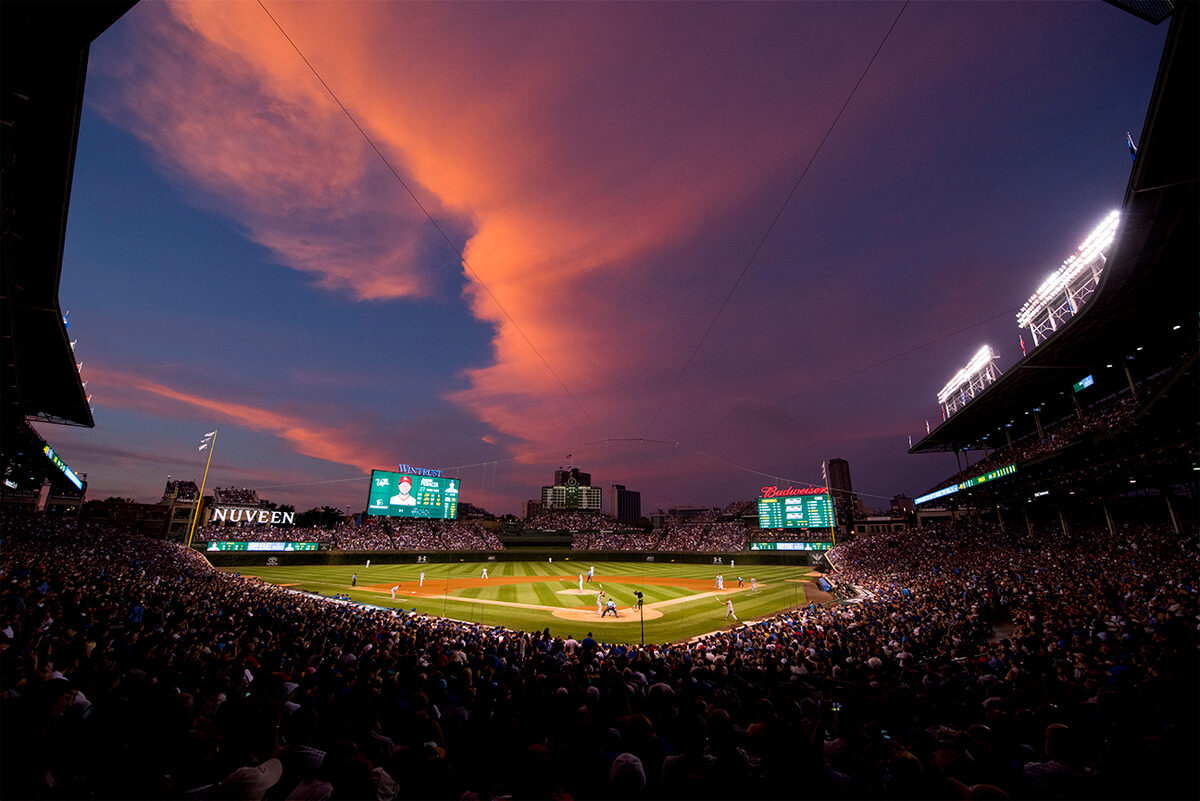
No stadium in baseball has a bigger personality than Wrigley Field. We tried to build an experience worthy of it.
See the original project
Both stories are still live on ESPN, the original 2008 Emmy-winning interactive and the 2016 revisit published ahead of the Cubs’ first World Series in over 70 years.
Note: the original 2008 experience was built in Flash and may not play in modern browsers, a reminder of just how early this work was.
The Outcome
Emmy
Sports Emmy winner
11
fans, one per decade
100 yrs
1908 to 2008
Pre-iPhone
built before the tools existed
No Love Lost won a Sports Emmy and, eight years later, still stood as a benchmark for interactive sports storytelling, built long before the web had the tools to make it easy.